+918884236113
Need Help ? Call Now
 Clothing
 Food & Beverage
 Electrical equipment & components
 Health & Beauty
 Apparel & Fashion
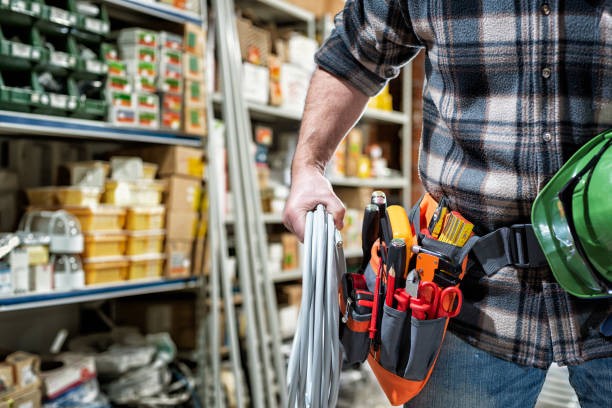 Construction & Building Materials
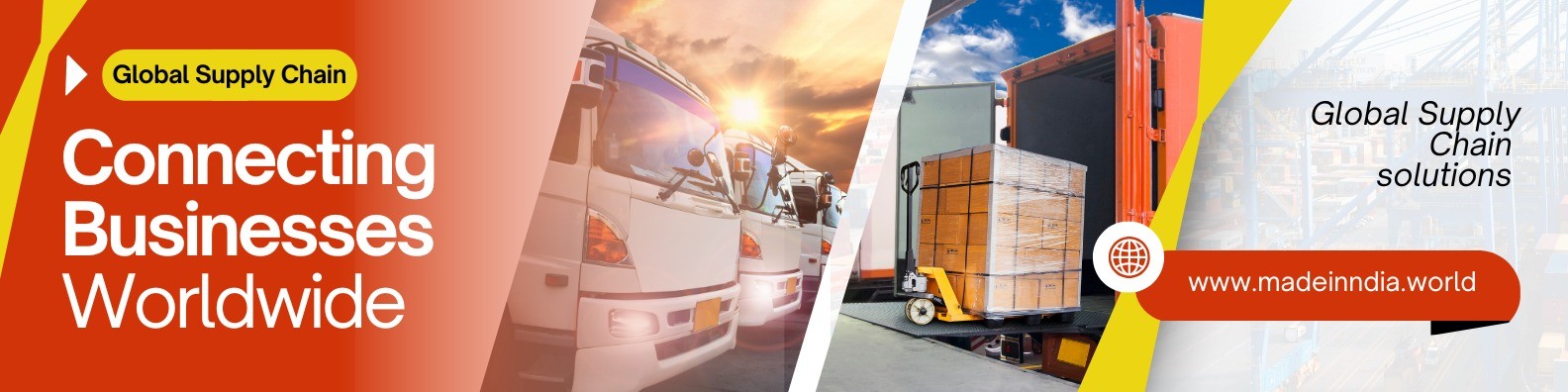
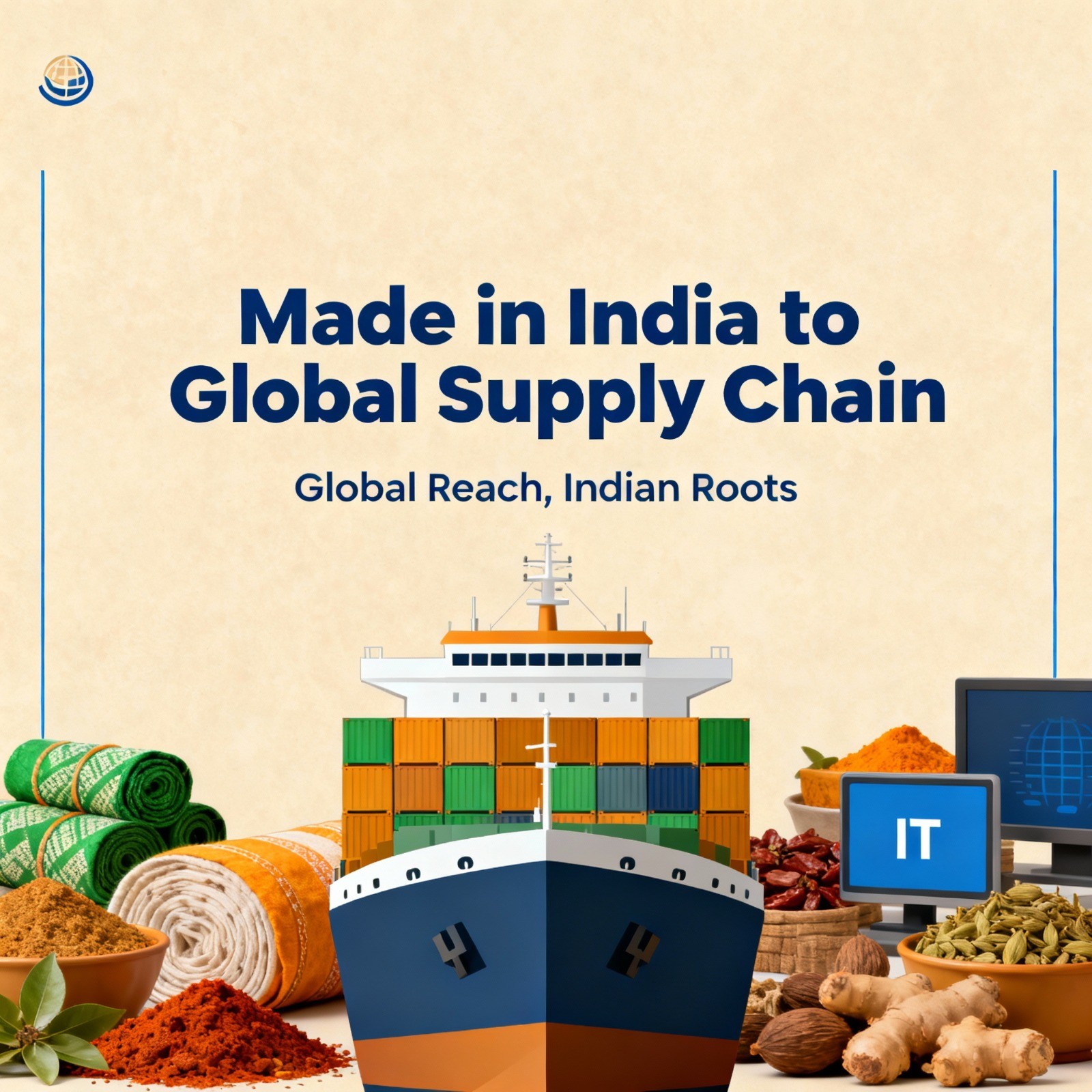
Why the UAE Prefers Made in India Products :
The UAE–India trade corridor is not new—it is deeply cultural, historical, and strategic. Long before modern trade agreements, Indian goods found their way into Gulf markets through trust-based commerce. Today, this relationship has evolved into a structured, high-growth B2B and B2C export ecosystem.
Step 1: Strategic Geographic Advantage
For UAE buyers, this means:
✅ Faster replenishment
✅ Lower inventory risk
✅ Better price stability
Step 2: Competitive Pricing Without Quality Compromise
Indian manufacturers have mastered the balance between cost efficiency and acceptable global quality standards.
Key reasons:
UAE importers benefit from:
Step 3: Wide Product Diversity Under One Origin
Unlike many countries that specialize in a few categories, India offers multi-sector export strength, including:
For UAE distributors and retailers:
👉 One sourcing country = multiple product categories
👉 Simplified vendor management
👉 Easier compliance handling
Step 4: Strong Cultural & Business Alignment
The UAE hosts a large Indian business and consumer population, creating a natural demand pull.
This leads to:
Step 5: CEPA Agreement – A Game Changer
The India–UAE Comprehensive Economic Partnership Agreement (CEPA) has accelerated the preference for Indian products.
Benefits include:
For UAE buyers, this translates to:
📉 Lower landed cost
⚡ Faster market entry
📈 Higher profitability
Step 6: Growing Focus on Quality & Compliance
Indian exporters today are no longer just cost-driven—they are compliance-driven.
Most export-ready suppliers now follow:
This reassures UAE buyers who operate under:
Step 7: Digital Transformation of Indian Exports
India’s export ecosystem is undergoing rapid digitalization.
Step 8: Reliability During Global Supply Chain Disruptions
During COVID and post-pandemic disruptions, Indian suppliers proved to be resilient and adaptive.
Conclusion: Why the Preference Will Only Grow
The UAE’s preference for Made in India products is driven by trust, proximity, pricing, policy support, and adaptability.
As India moves toward:
The UAE stands to gain a stable, scalable, and future-ready supply partner.
Clothing
Food & Beverage
Electrical equipment & components
Health & Beauty
Apparel & Fashion
Construction & Building Materials
 home
home